
In this article, ECA’s Head of Music Dr Mike Newton reviews this year’s Week of Sound and explains why wide-ranging events like this are important to students and wider society. The Week of Sound is funded via the Barry Wright bequest to the Reid School of Music.
In February, the Reid School of Music at Edinburgh College of Art hosted the 2026 UNESCO Week of Sound in Edinburgh — a week of concerts, talks, workshops, and installations exploring the theme of music, technology, and society. With technology increasingly shaping how we create, listen, and communicate, this year’s Week of Sound offered a timely opportunity to reflect on what this means for music, for our students, and for society.
The UNESCO Week of Sound, established internationally in 2004, exists to raise awareness of the role sound plays in our lives: in our environment, our health, our cultural expression, and our relationship with technology. A university is a natural home for this kind of inquiry. Sound is inherently interdisciplinary — it sits at the intersection of science and culture, engineering and art, tradition and innovation — and a week like this gives us a chance to celebrate that breadth.
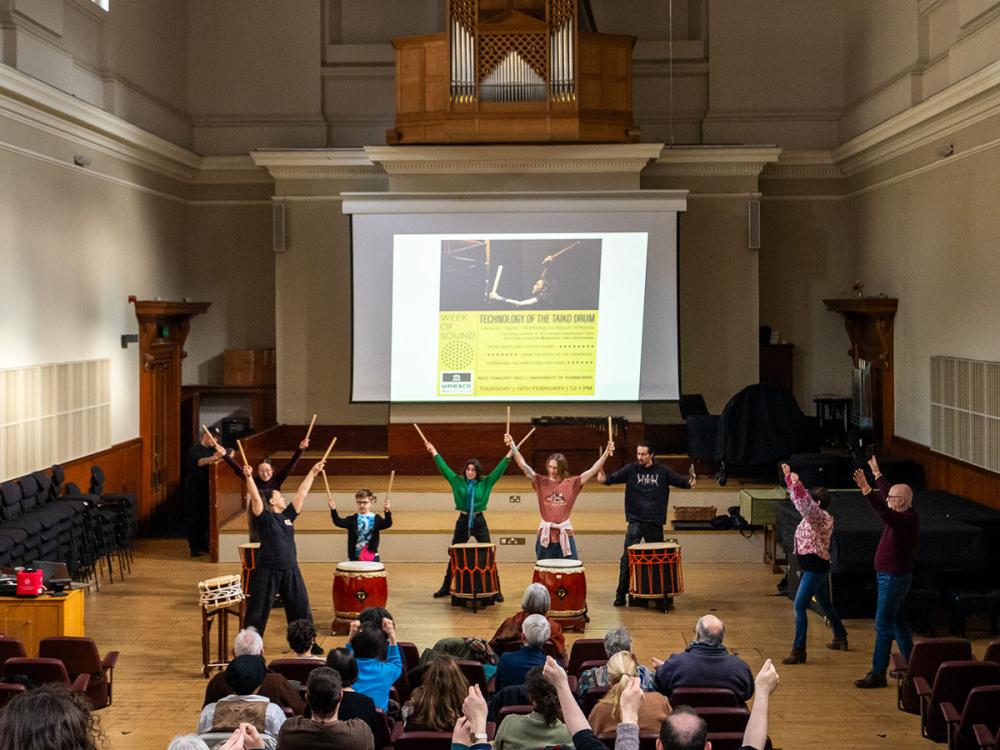
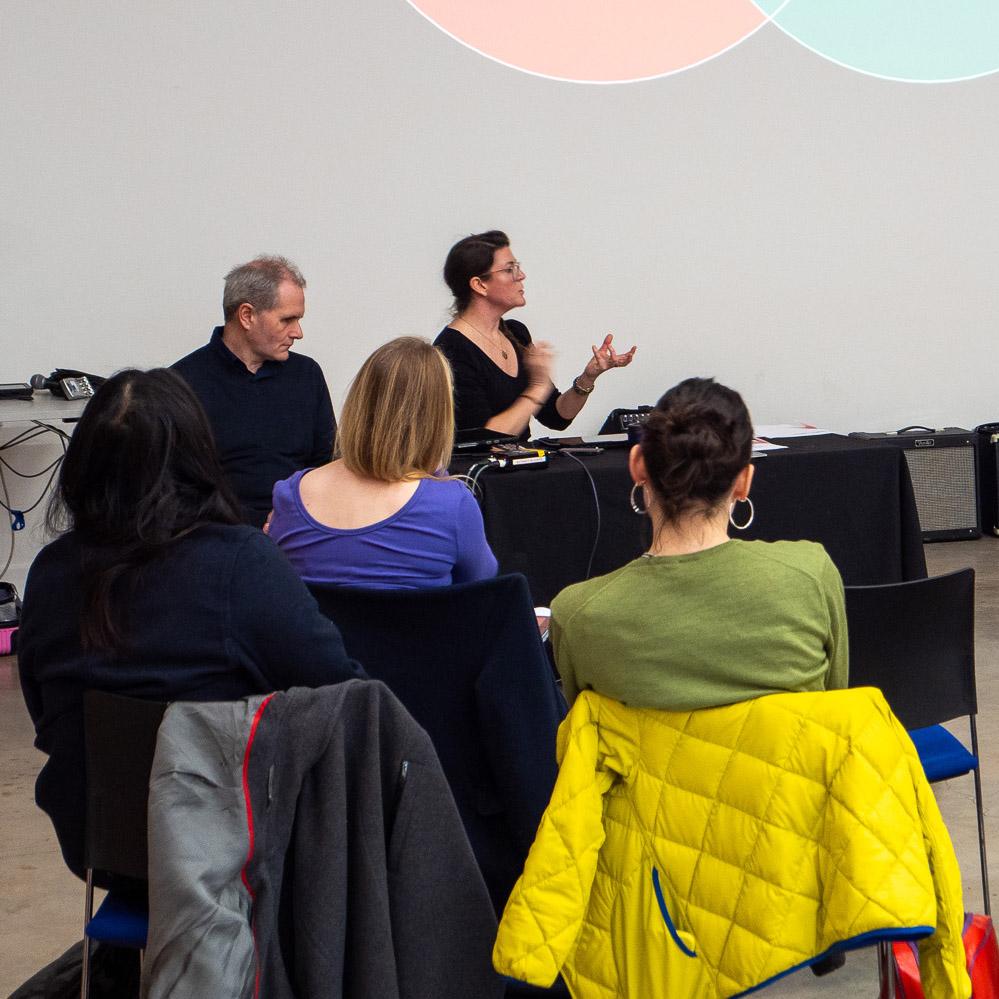
This year's programme reflected that spirit. Events ranged from a talk on the technologies of guitars, drawing on instruments from the University's own historic collections, to a hands-on electronics workshop; from a workshop on the use of technology to improve access to music making for people with disabilities, to a panel discussion on authenticity and AI in music.
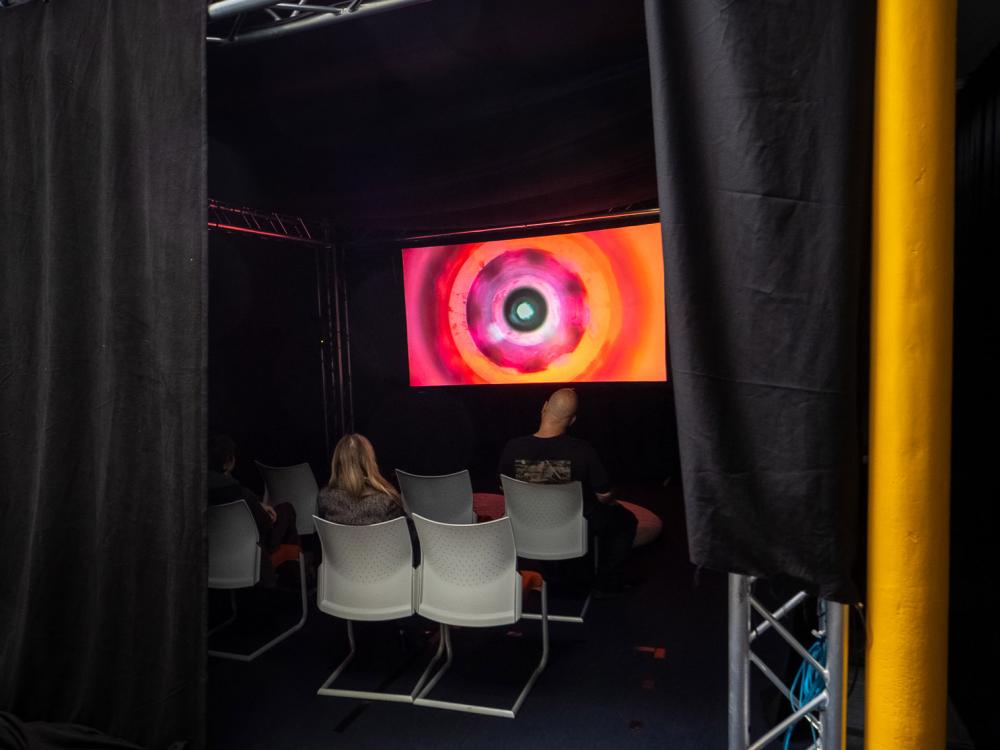
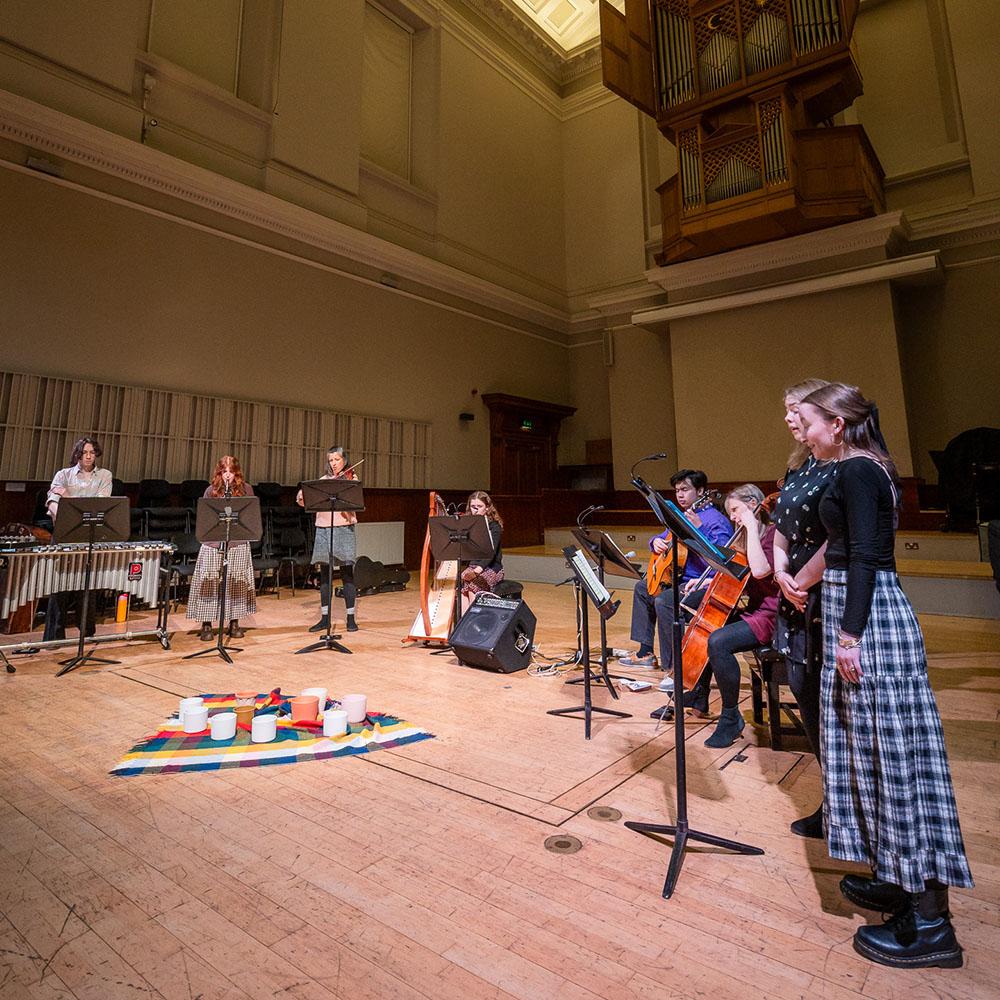
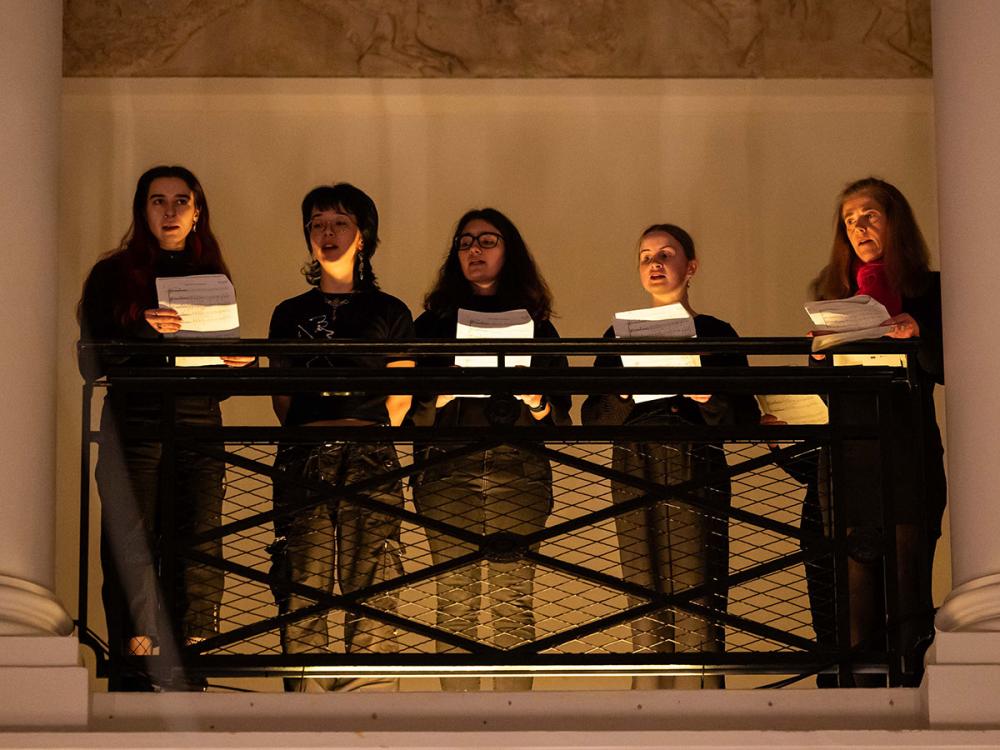
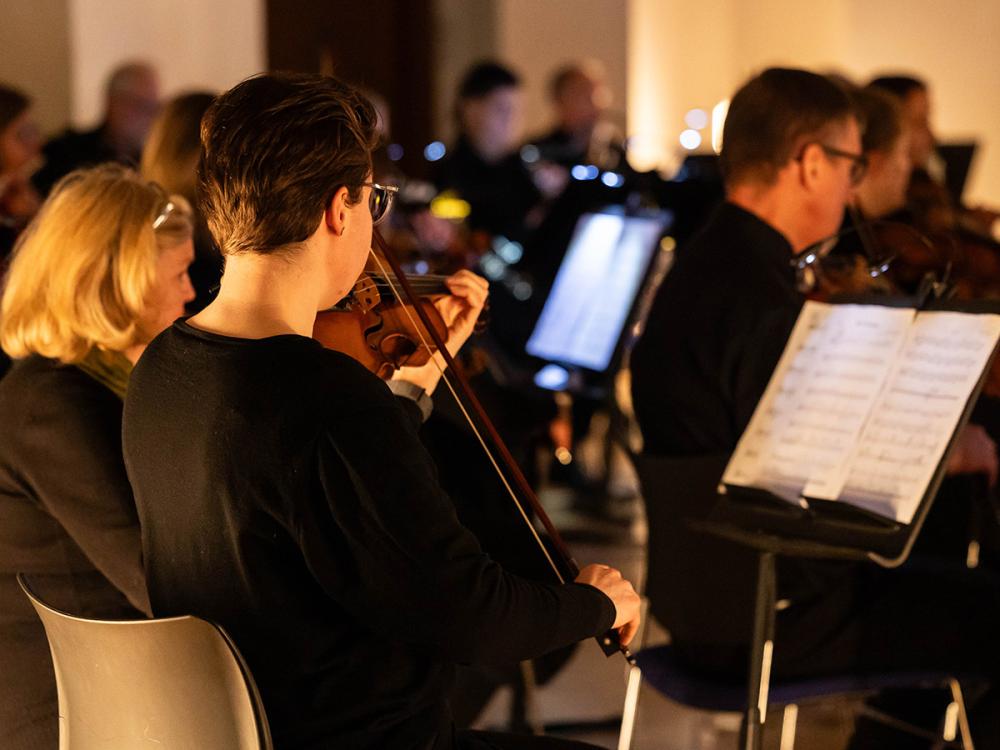
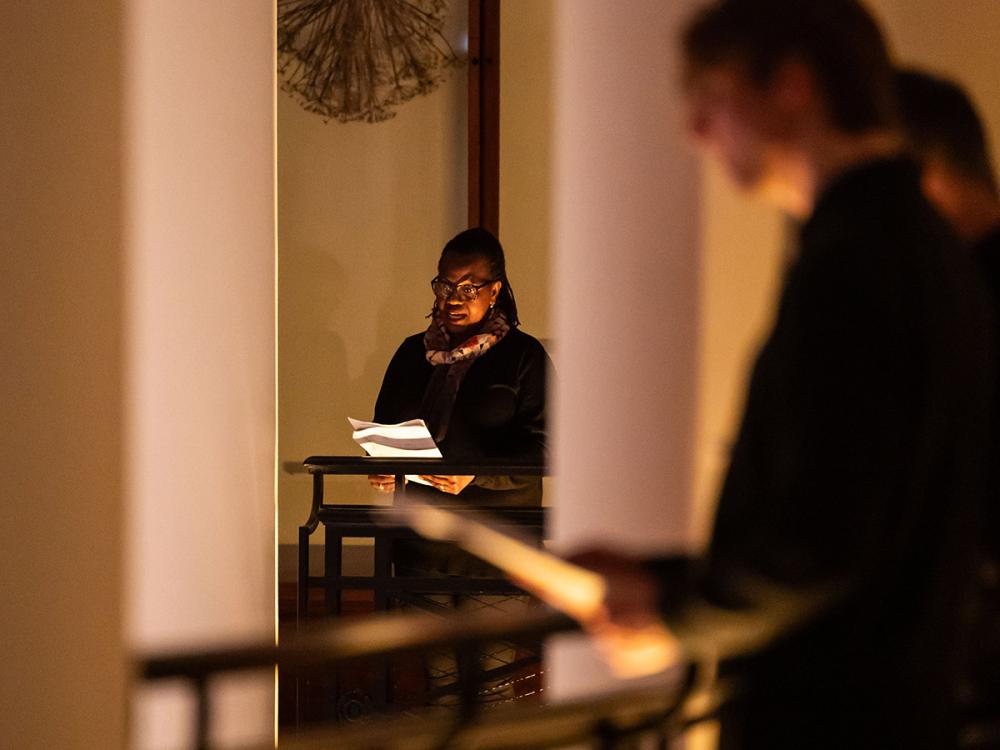
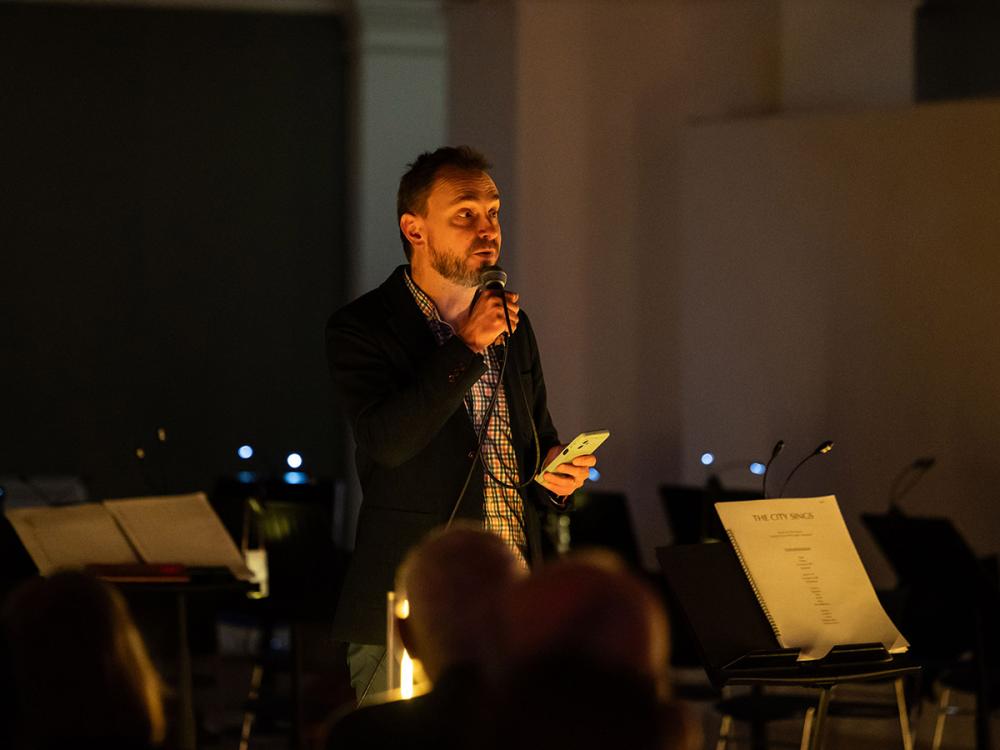
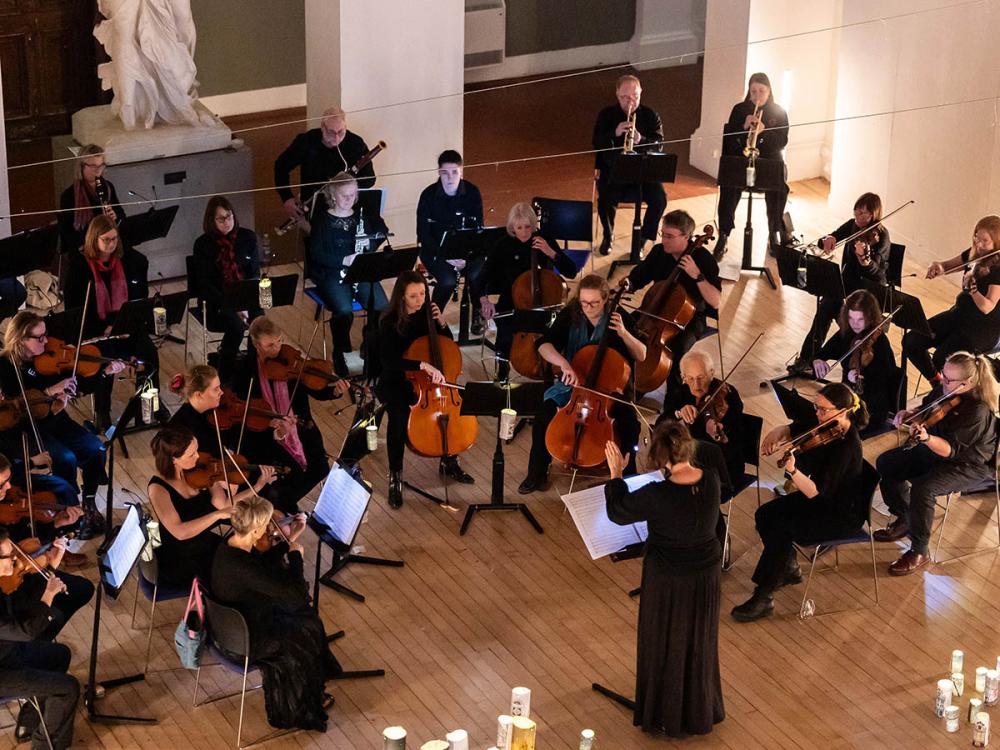
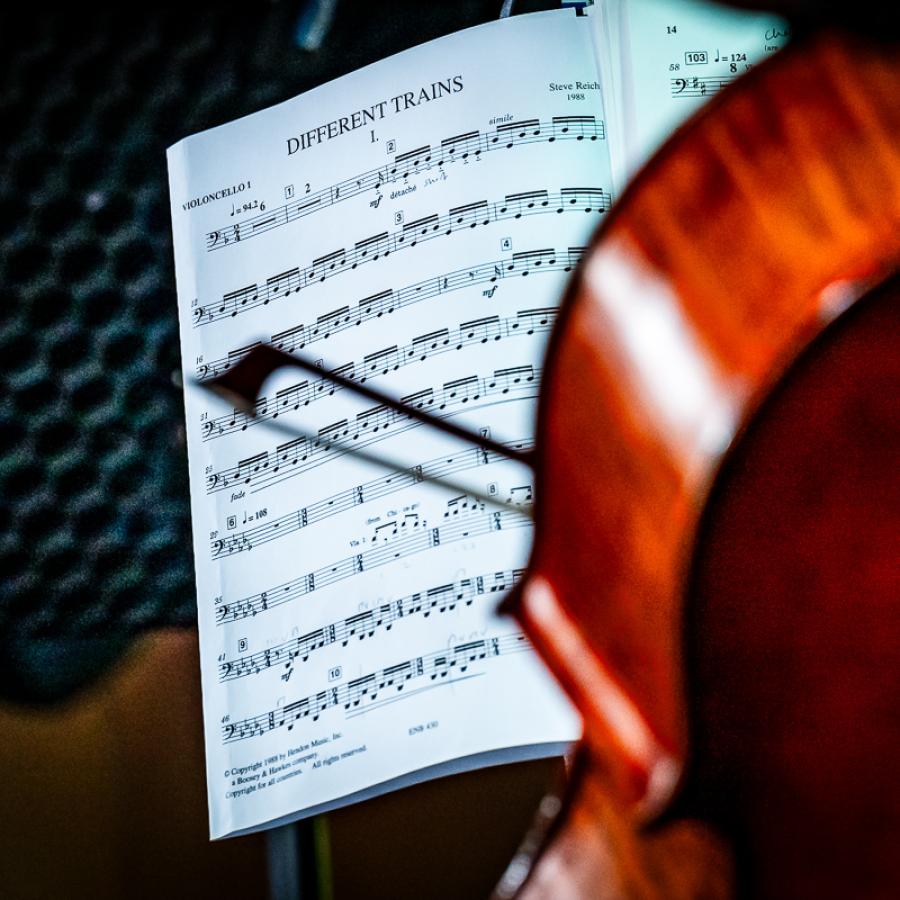
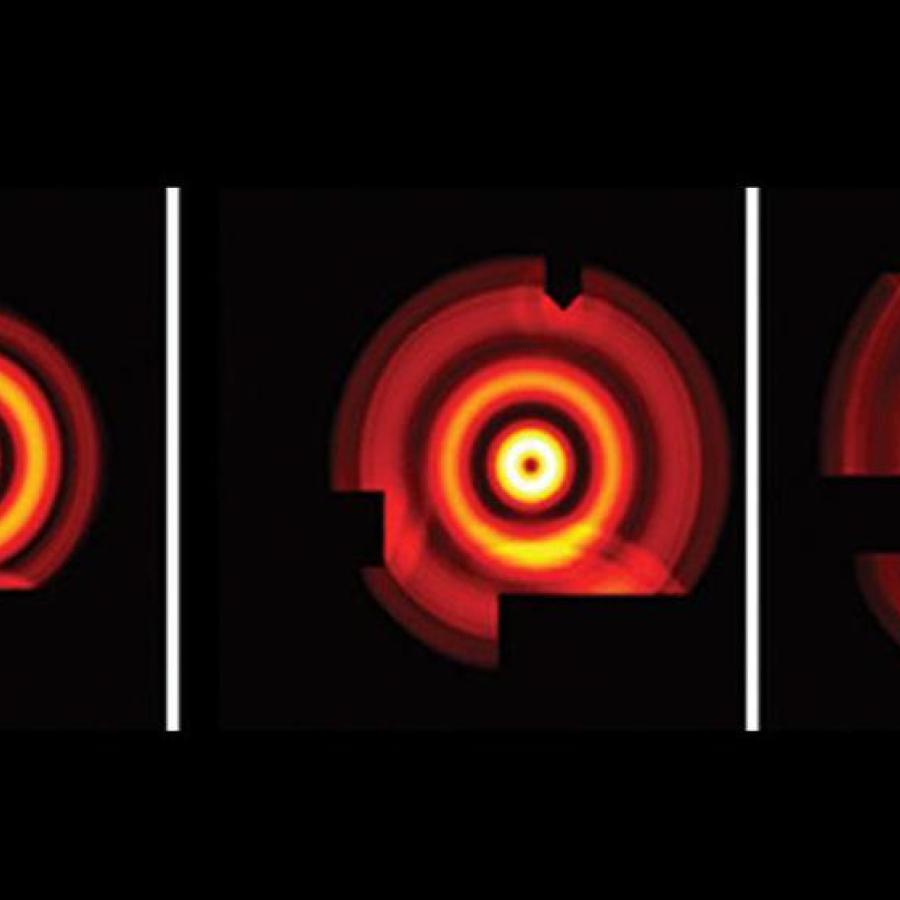
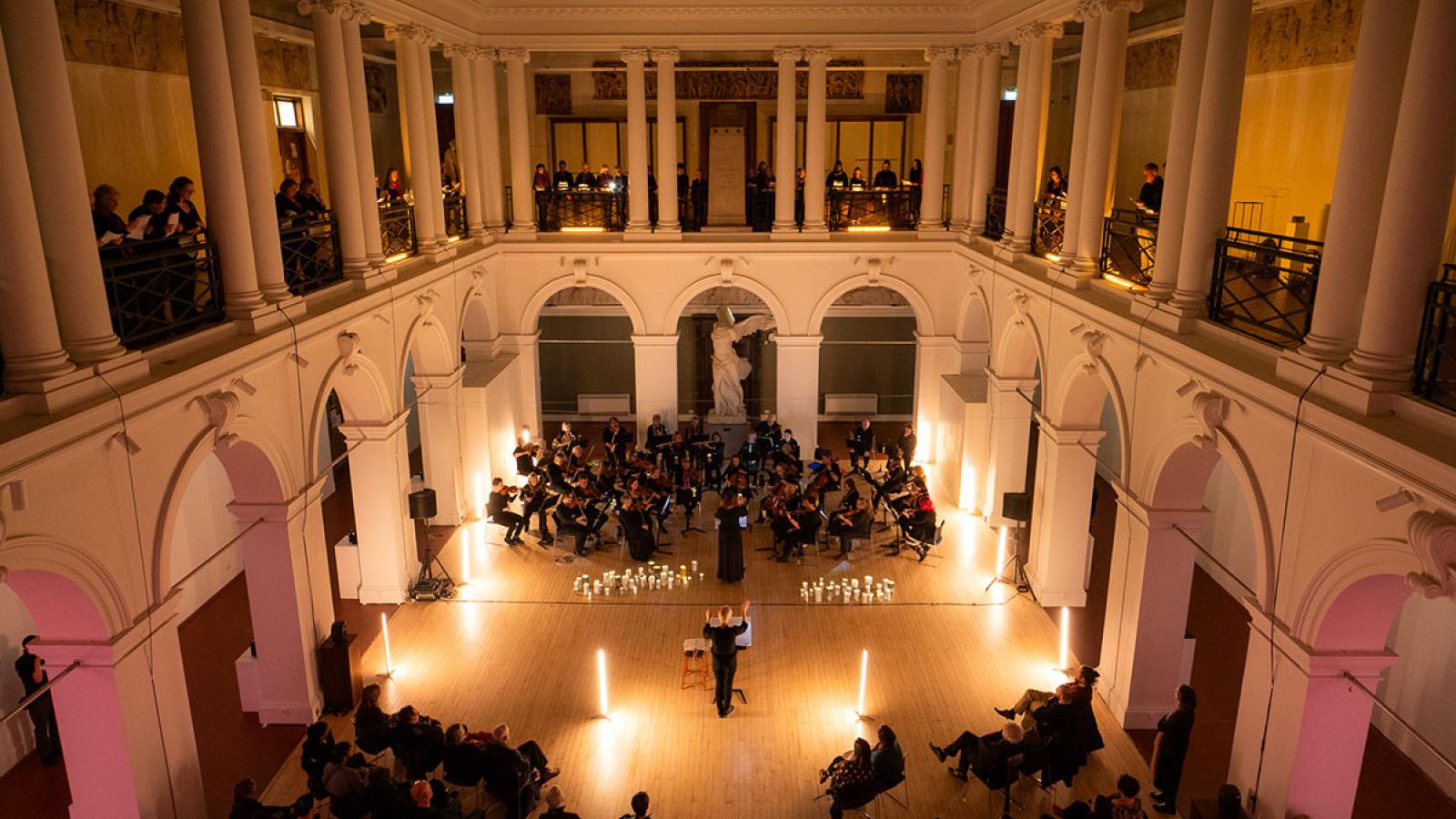
Our opening concert filled ECA’s Sculpture Court with the contrasting sounds of 900 Voices, a multichannel spatial sound installation originally commissioned for St Giles' Cathedral, and the warmth of a community orchestra and choir made up of volunteer musicians and singers from across the city. Alongside these, three sound installations ran throughout the week, including a community co-created piece in collaboration with Edinburgh’s Chinese community, and an audio-visual exploration of the hidden sounds of wristwatch mechanisms.