
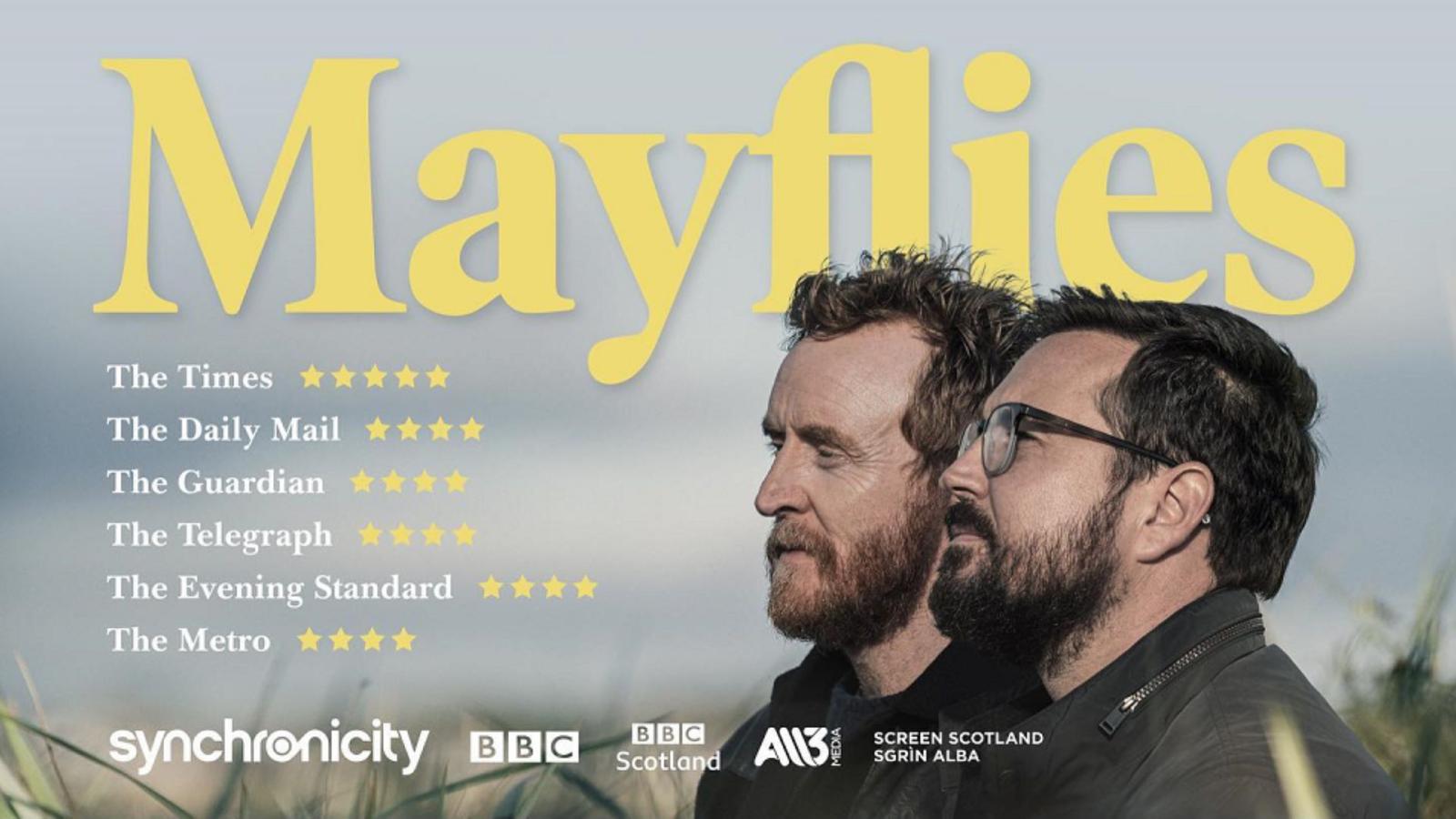
Congratulations to ECA alumnus Joseph Stevenson, who co-composed the score for the BBC’s Mayflies, a poignant two-part Scottish drama which aired at the beginning of the year. We spoke to Joseph about the project, his career and his advice for current students.
Joseph Stevenson, who graduated from ECA in 2018 (MA (Hons) Music), is now a BAFTA nominated composer and producer for film, TV and games. He co-wrote the score for Mayflies, an adaptation of Andrew O’Hagan’s novel of the same name, alongside Scottish composer Lorne Balfe.
He said: “It was a fantastic show to be involved in and although it was a very quick turnaround time it felt like the whole cast and crew poured their hearts and souls into every aspect of it.”
“Mayflies tells an emotional story covering assisted suicide. It’s obviously an incredibly complex and controversial subject, but I felt everybody in every department navigated it extremely sensitively. Everyone at Synchronicity Films was incredibly supportive and just made it a very positive working environment.”
We spoke to Joseph about how he approached the project, his career and his path to working in mainstream film and television.
How did you get involved in the Mayflies project?
“I have assisted Lorne Balfe for just over a year now, a very high-profile Scottish composer who ultimately landed the ‘gig’ scoring Mayflies. I was very lucky on this project in that I became very creatively involved as the process went on, which resulted in me eventually co-composing the score.”
How did you approach the project with Lorne?
“Lorne wrote a main theme to establish a basic concept and musical language in terms of tone and instrumentation. Once we got a ‘sound’ approved for the show I expanded upon it and developed it.
“We wrote a bunch of material in the form of suites so that the editor(s) could work with original music where possible. Then it was a case of taking what the editors had done, refining it, making sure it flowed and made musical sense structurally, replacing any foreign placeholder music they may have used, and finally addressing feedback from the director and producers.
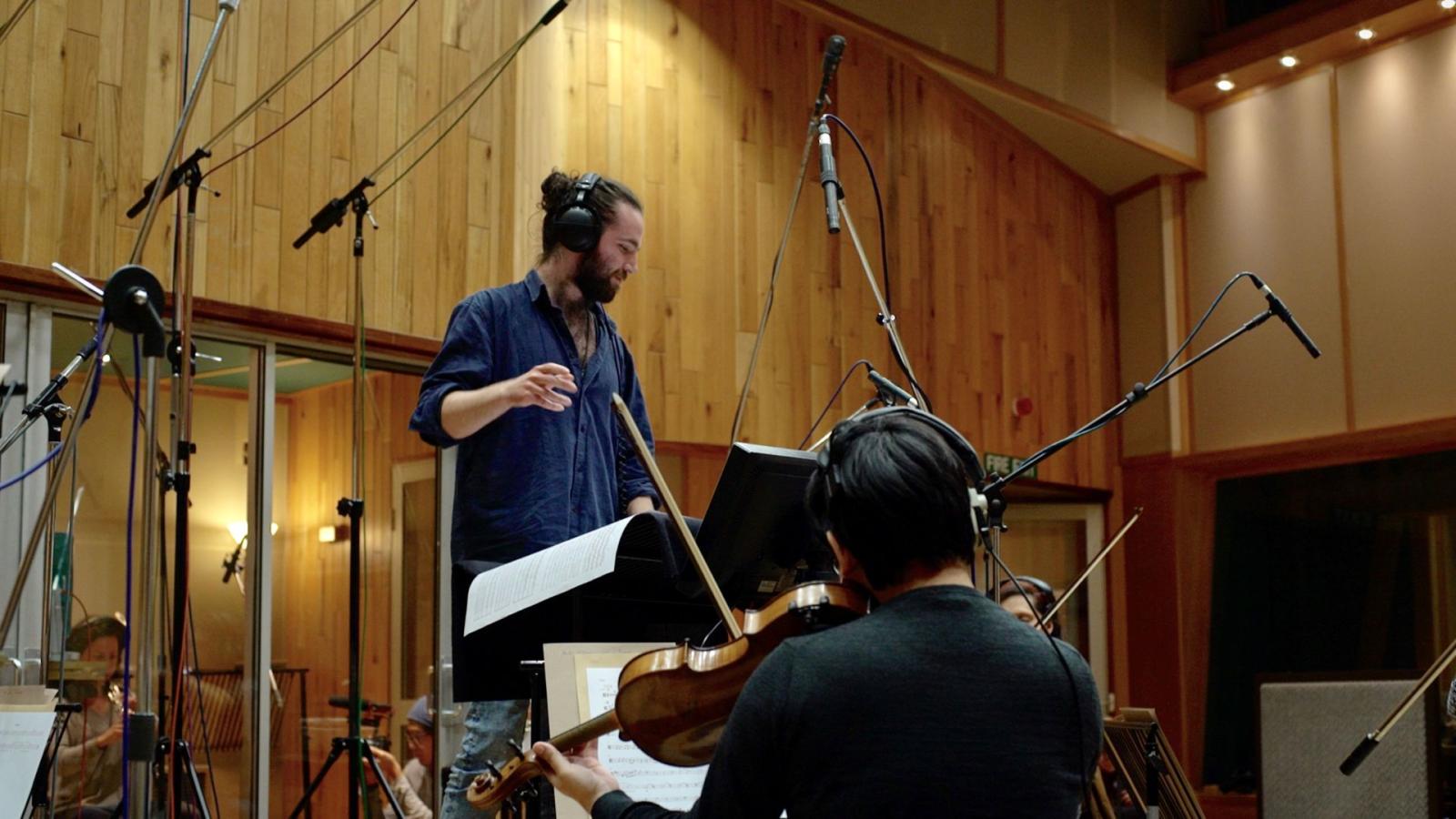
“Once everything was written and fully approved, we recorded the score remotely with soloists based around Scotland.”