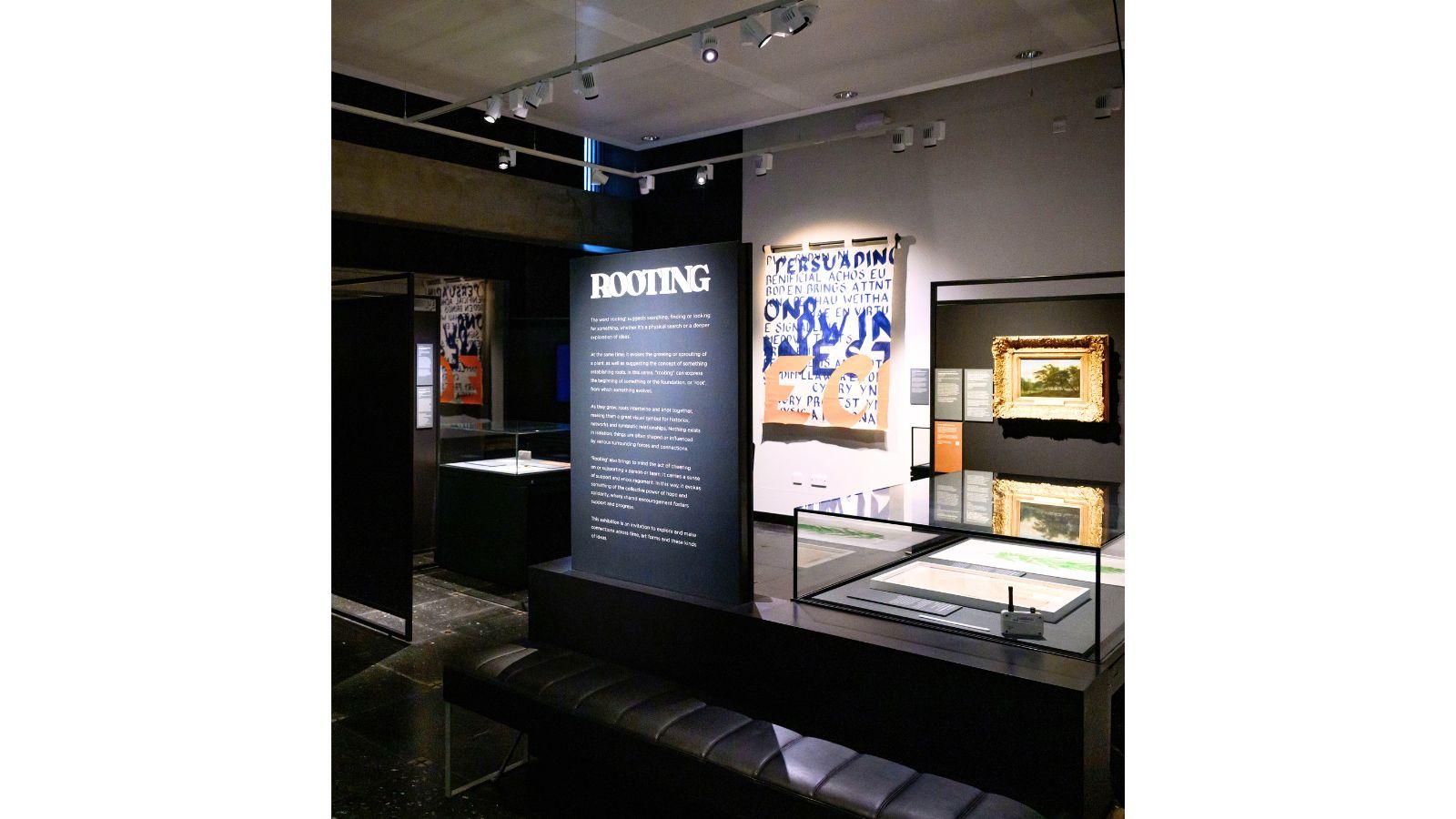
Interior shot of the Rooting exhibition - a black panel bears white text, headed Rooting, there are paintings and display cases behind.

Artworks by alumni and former staff of Edinburgh College of Art (ECA) feature in an exhibition at the University of Edinburgh Main Library Gallery, highlighting environmental and ecological themes.

Rooting: Ecology, Extraction and Environmental Emergencies in the University's Art Collection, focuses on historic and contemporary artworks that consider the entangled relationships between art, nature, extractive histories and the climate crisis. It includes a range of artforms by more than 30 different artists acquired by the University over hundreds of years, that are currently used to support and enhance research and learning.  

Since 2012, the University’s Art Collections includes the Edinburgh College of Art Collections. Among the artists featured are ECA alumni including Alberta Whittle, Agnes Sim, Zygmunt Bukowski, Daisy Lafarge, Giulia Gentili, George Mackie, Katie Paterson, Ruth Ewan and Stephanie Mann.

The exhibition also features work by former staff member Anthony Hatwell, alongside examples of work purchased through the annual ECA Graduate Show Purchase Prize. This includes artwork by Jessica Gasson, Clarissa Gurd, Kasey Hou, Valentina Lobos Muñoz, Francis Rogers and Ffion Williams.

Rooting is also being delivered in collaboration with the University’s Department for Social Responsibility and Sustainability (SRS) and highlights ongoing activity across the University to create a more sustainable future through research, teaching, operations and people. 

The exhibition runs until 15 November 2025, Main Library Exhibition Gallery, George Square. Open 10am - 6pm Monday to Saturday (and Sundays throughout August). Free admission.
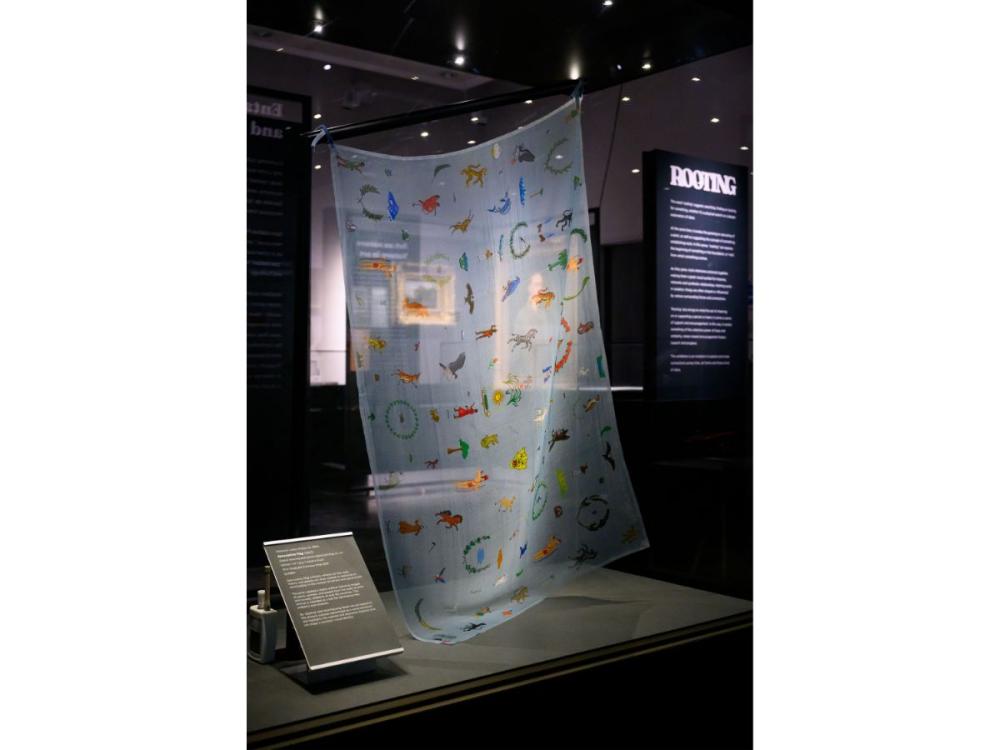
Valentina Lobos Muñoz

(b. 1993) MA Contemporary Art Practice, 2021

Speculative Flag, (2021) - Digital drawing and textile digital printing on silk 

During her degree, the artist created a digital archive featuring images of plants, animals, and people from the coats of arms and heraldic emblems of over 60 countries. By 'stealing' and reconfiguring these natural resources, the artwork exposes nationhood as a social construct and highlights the colonial and economic histories that shape a country’s visual identity. 

Katie Paterson

(b. 1981) BA (Hons) Tapestry, 2004; Honorary Fellow 2014 

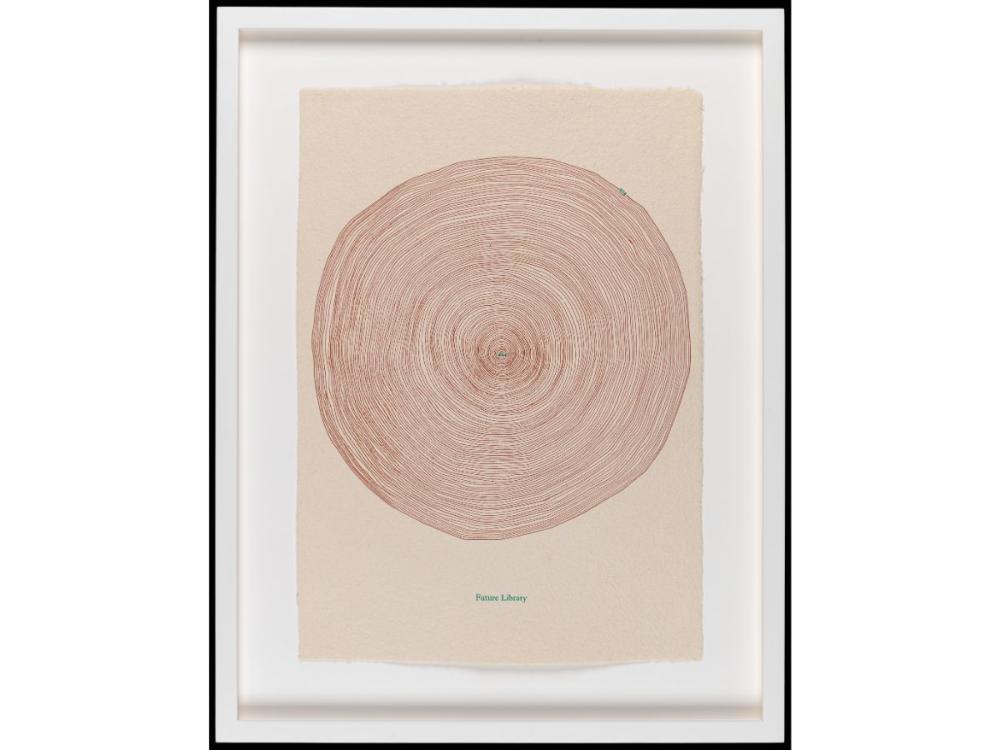
Future Library (certificate) (2014) Two-sided foil block print on paper

Future Library is arguably one of the more unusual artworks in the Art Collection as it will not technically enter the collection until 2114. In 2014 a forest was planted in Oslo, Norway, which will supply paper for an anthology of texts. Over 100 years, an author is being commissioned annually by the Future Library Trust to write a text that will be unread and unpublished until 2114. The University will then receive a copy of the printed anthology. You can read more about this century-long artwork on the Future Library website.

Anthony Hatwell

(b. 1931, d. 2013). Head of Sculpture, 1969 - 1990.

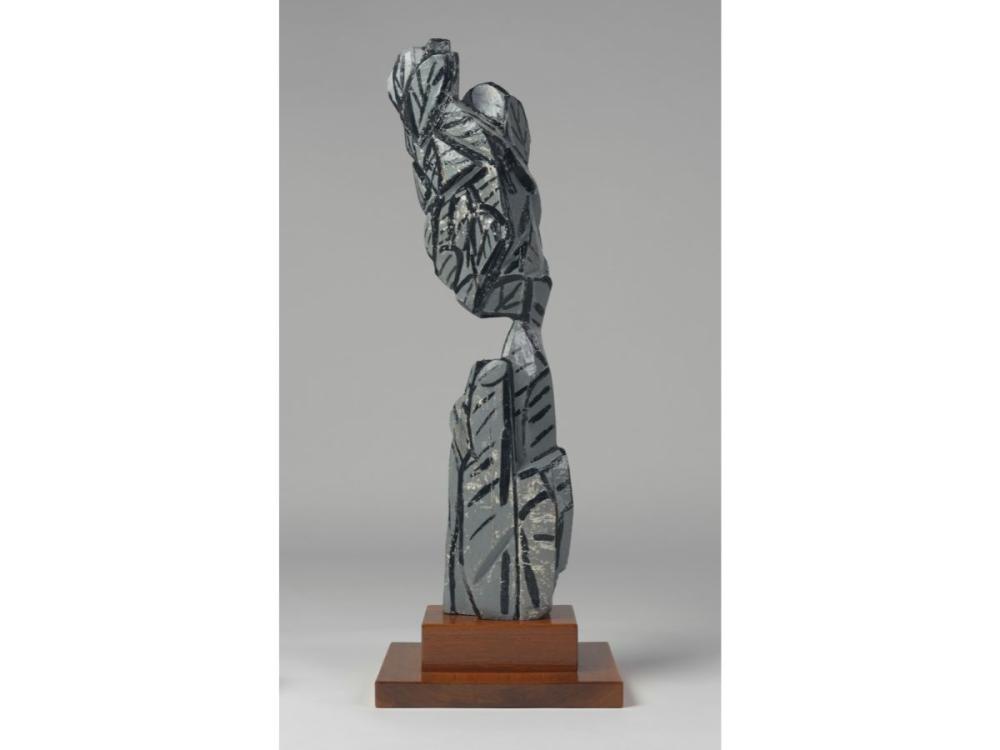
Tree of Life (1963-94) Carved and painted pear wood

Anthony Hatwell's style of work has been described as ‘modernist’ and as avoiding superfluous and decorative details. The forms he created range from reclining female forms, portraits and still lifes. Representations of nature were frequent in his sculpture, paintings and drawings – plants, flowers, trees and the sea. This sculpture was donated to the collection along with three other sculptures.

Ruth Ewan

(b. 1980) BA (Hons) Painting, 2002

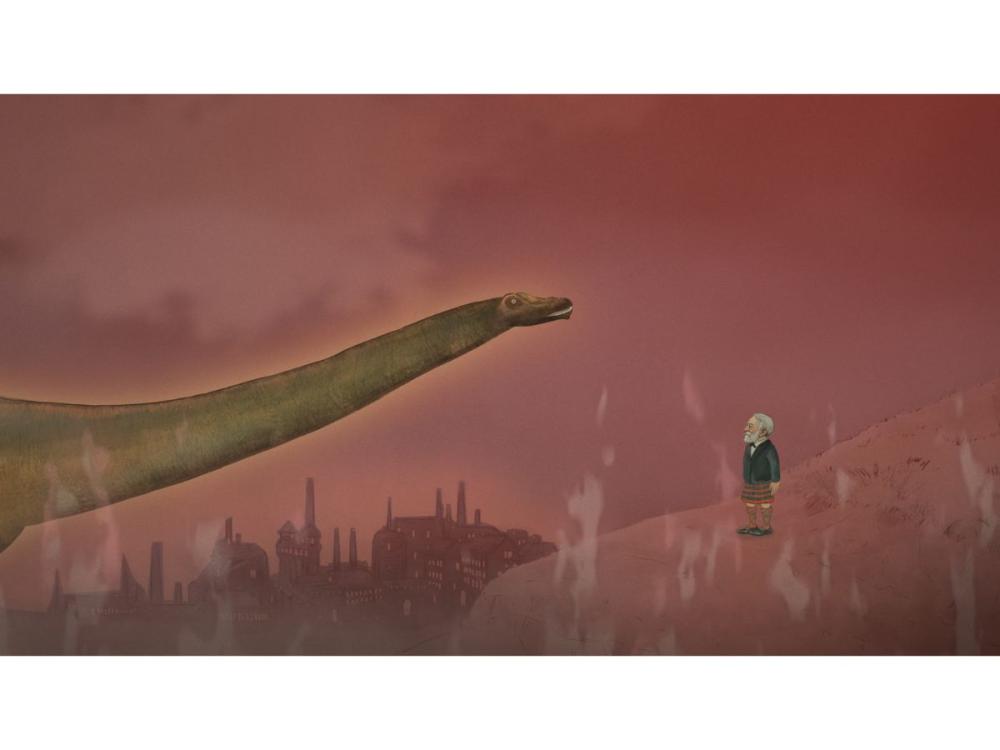
The Beast (2022) Colour video animation, with sound, looped c.12 min. with hand painted text.

The Beast is an animation which explores the connections between Scottish-American Industrialist Andrew Carnegie (1835–1919) and the Diplodocus carnegii. Alongside the hand-painted list of names of the men killed at the Battle of Homestead, The Beast presents a confrontation between Carnegie and his namesake discovery, where they discuss how Carnegie accumulated his wealth in Pittsburgh’s steel industry. Moving image works in the Art Collection like this one can be viewed by University staff and students on the University’s media platform Mediahopper.

Related programmes