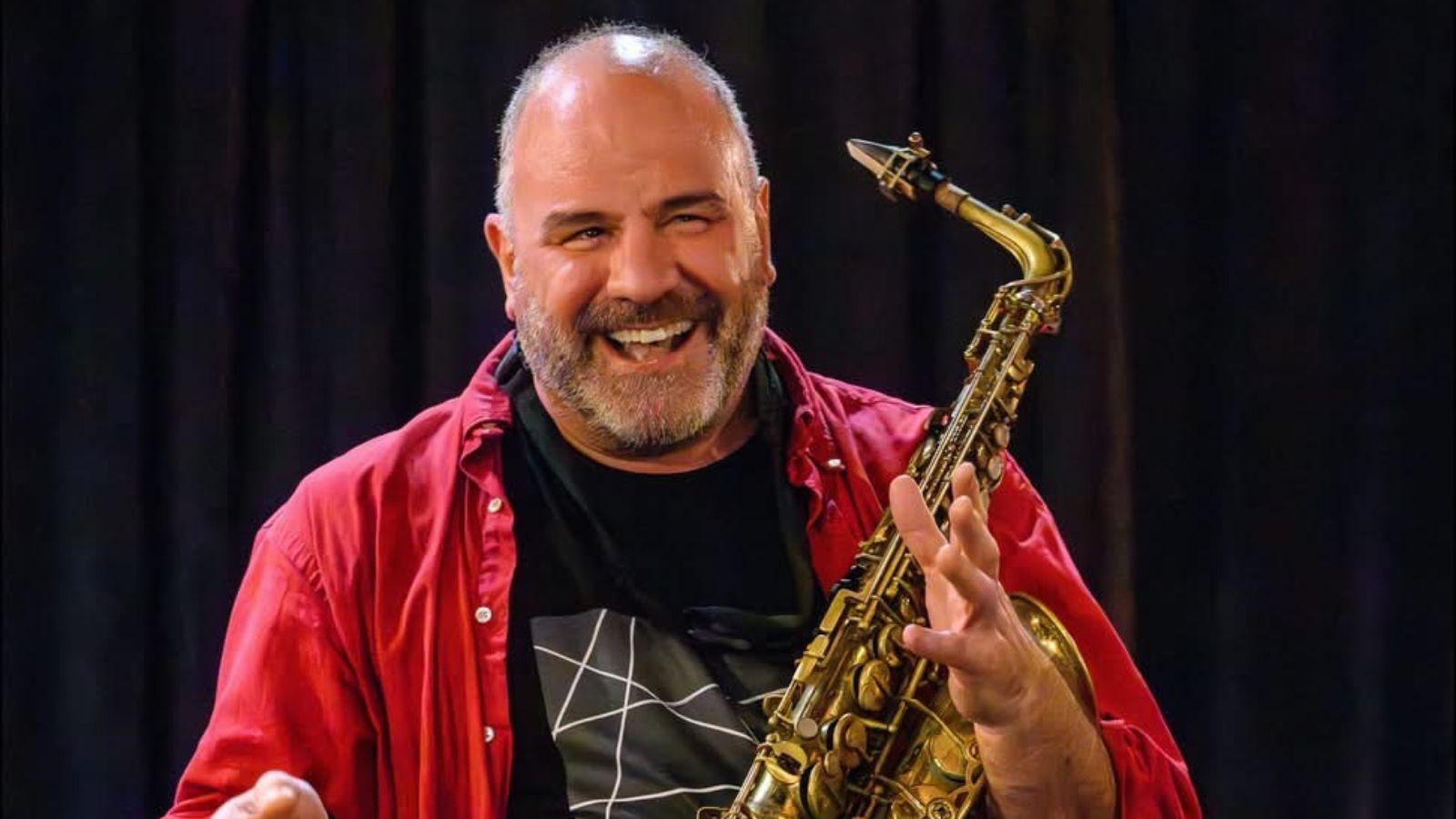

Professor Raymond MacDonald, Chair of Music Psychology and Improvisation, has been awarded a Leverhulme Major Research Fellowship.
The award, worth £107,718, will support a piece of work titled ‘Exploring improvisation as a means of sustaining and enhancing communities,’ which will run for two years from September 2026.
Here, Raymond explains the fascinating ideas and work he plans to explore:
We are all musical. A biological and social capacity for musicianship resides in each of us, and this capacity helps define what it means to be human. This fellowship allows me to study one crucial aspect of our universal musicality: improvisation. I will explore what happens when people make music together in the moment, without a script and how these improvisation practices can not only produce thrilling art but also have positive benefits for individuals and communities.
At the heart of this work is a basic human ability for creativity and communication. From birth, we use rhythm, melody, timing and gesture to connect with others. When people improvise, they listen closely, respond in real time and support one another’s ideas – and these skills matter far beyond music.
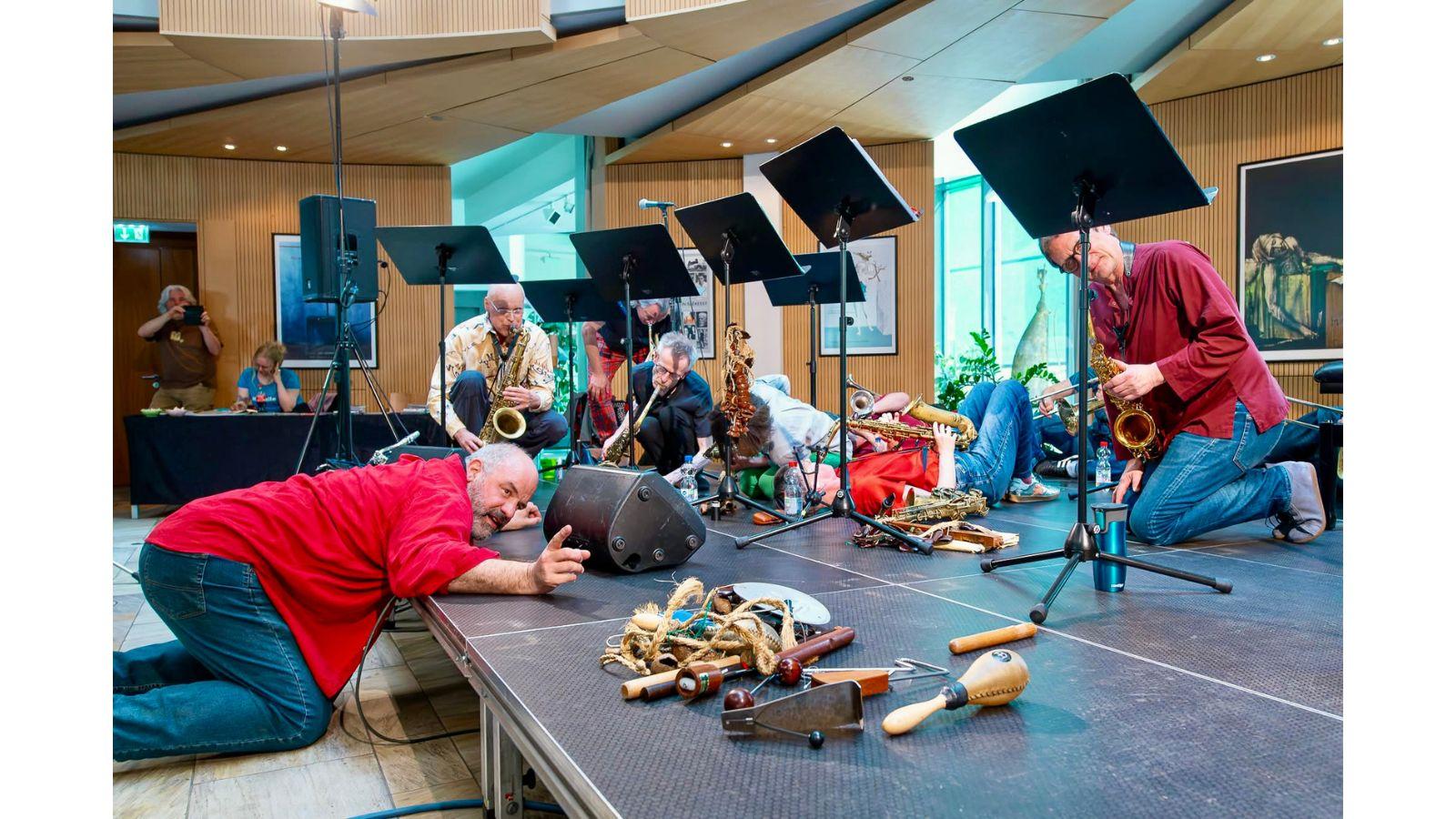
One strand of the fellowship will allow me to develop work that began during the COVID-19 pandemic. As a founding member of the Glasgow Improvisers Orchestra, I helped move our large ensemble online when in-person rehearsals were impossible. What began as an informal experiment quickly grew into weekly online sessions involving more than 100 musicians of different ages and backgrounds from across the world. Working with colleagues Tia DeNora, Rob Burke, Maria Sappho and Ross Birrell, our research showed that these sessions were not only creatively exciting but also supported mental health by reducing isolation and strengthening social bonds.
This new work will challenge traditional ideas about creativity. Instead of seeing it as something that resides inside individuals, improvisation helps reveal creativity as something shared and distributed across a group. Musical ideas can emerge from interactions, not from a single mind. This ‘distributed creativity’ is especially clear in large ensembles, where listening and cooperation are essential.
The fellowship will also explore how these insights apply across different art forms and contexts (education, community music, clinical settings etc). I will investigate how new technologies, including AI, can support collaborative improvisation – I have seen how technology can open creative opportunities rather than replace human connection. I will be working with musicians, filmmakers, dancers, writers, educators, therapists and artists to create and analyse new work. The aim is to produce a new work, performances, a book and public resources that will show how improvisation can facilitate new artistic practices, enrich education, support well-being and help communities thrive.