
As Edinburgh College of Art (ECA) marks 15 years since its merger with the University of Edinburgh in 2011, we reflect on the distinctive contribution ECA has made to the University, the city and the wider creative sector. We also look ahead to the future, including the decisions being taken to ensure ECA's distinctive academic provision remains sustainable for the long term.
Since the merger in 2011, ECA has thrived as the largest School in the University of Edinburgh. The merger brought together the schools of art, design, architecture & landscape architecture, music and history of art within a single, comprehensive creative community. Today, with around 3,600 students and 700 staff, ECA is the largest and most diverse school of creative disciplines and associated subjects within a UK Russell Group university.
That position has enabled us to build strength across our five subject areas, support internationally recognised teaching and research, and develop collaborations across the wider University. Several of our programmes rank in the top ten of the Times and Guardian UK University rankings by subject, and ECA was ranked sixth for Art & Design in the UK in the REF 2021 research power rankings. We have also played a leading role in major funded research initiatives including Creative Informatics, CoSTAR and BRAID, while continuing to support world-leading scholarship and creative practice across all our disciplines.
This breadth, and our location within one of the world’s leading universities, has created a distinctive environment for staff and students: one in which creative practice, critical enquiry, technical expertise and interdisciplinary research can come together. It is this combination that enables ECA to make such a significant contribution to creative education, research, culture and society.
We continuously review our academic provision to ensure that it remains distinctive, high quality, responsive to student demand, and sustainable for the long term. Most recently we have taken the decision to close three undergraduate Design programmes to new admissions from 2027 entry onwards: BA (Hons) Textiles, BA (Hons) Performance Costume, and BA (Hons) Jewellery and Silversmithing.
These decisions have been taken through a rigorous analysis of multiple data points and are aimed to support the resilience and sustainability of our wider operations. Current students will be able to complete their studies as planned, and we remain committed to supporting them fully throughout their degree.
We recognise the importance of these programmes, their histories, and the contribution they have made to ECA and to the wider creative sector. ECA will retain the specialist skills, expertise and technical facilities associated with these areas. We will also continue to offer a number of specialist courses as electives, enabling students across Design and the wider University to benefit from this expertise.
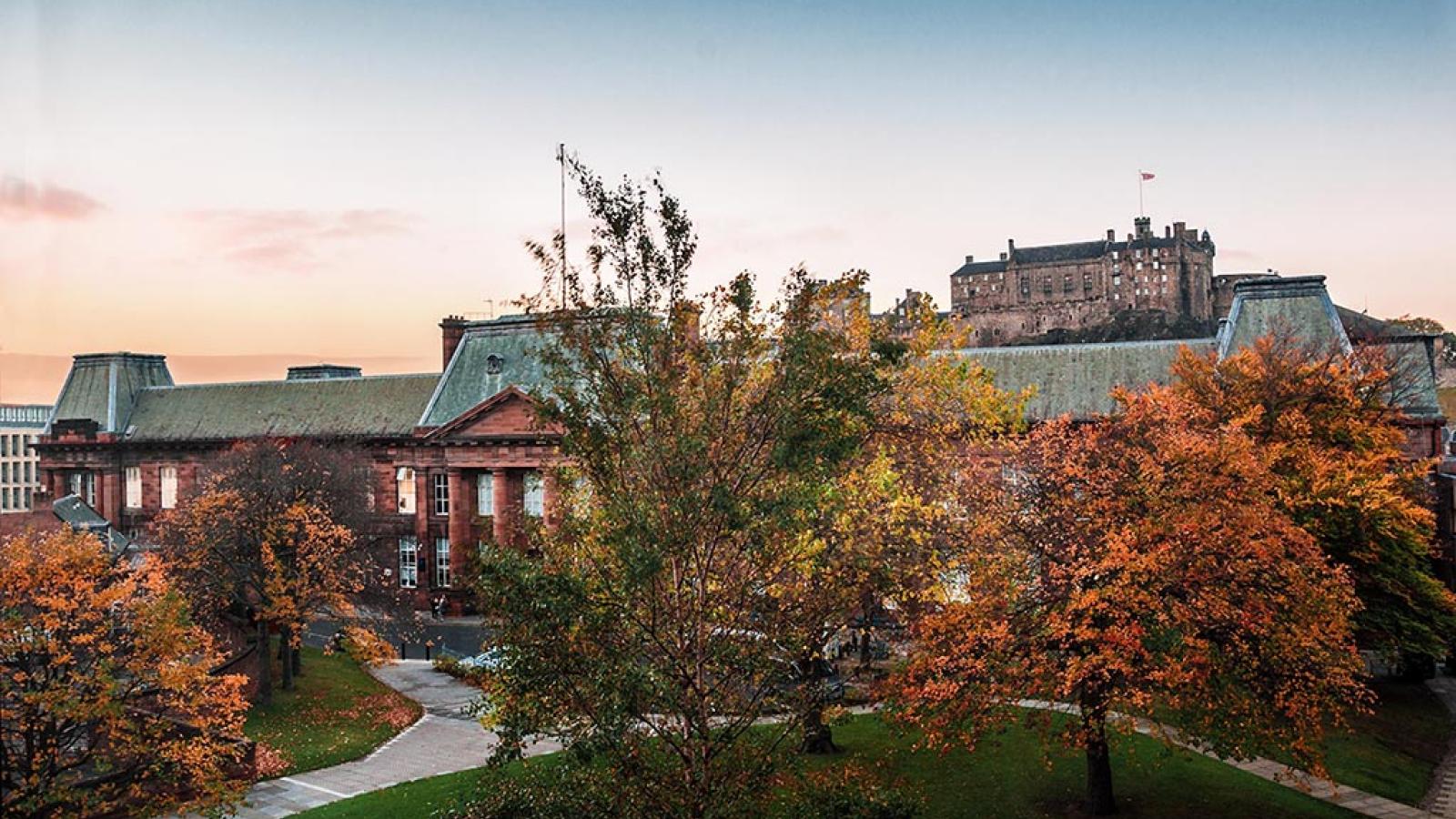
The ongoing importance of ECA to the University is also reflected in the £45m ECA capital project, which is transforming the Lauriston campus. Phase one has now been completed, including the redevelopment of the Fire Station, new digital making workshops, a material recycling hub, student support services, staff offices, new facilities for glass, ceramics and casting, and two large studio spaces in Evolution House.
Phase two will further develop the inner quad and Lauriston Place entrance, and create new facilities for music and film, including recording studios, black-box studios, practice rooms, editing suites and specialist teaching spaces.
As we mark this anniversary, we do so with pride in what has been achieved, realism about the challenges facing higher education, and confidence in ECA’s future as a creative, civic and global community.