

Marco Minozzo Gabriel
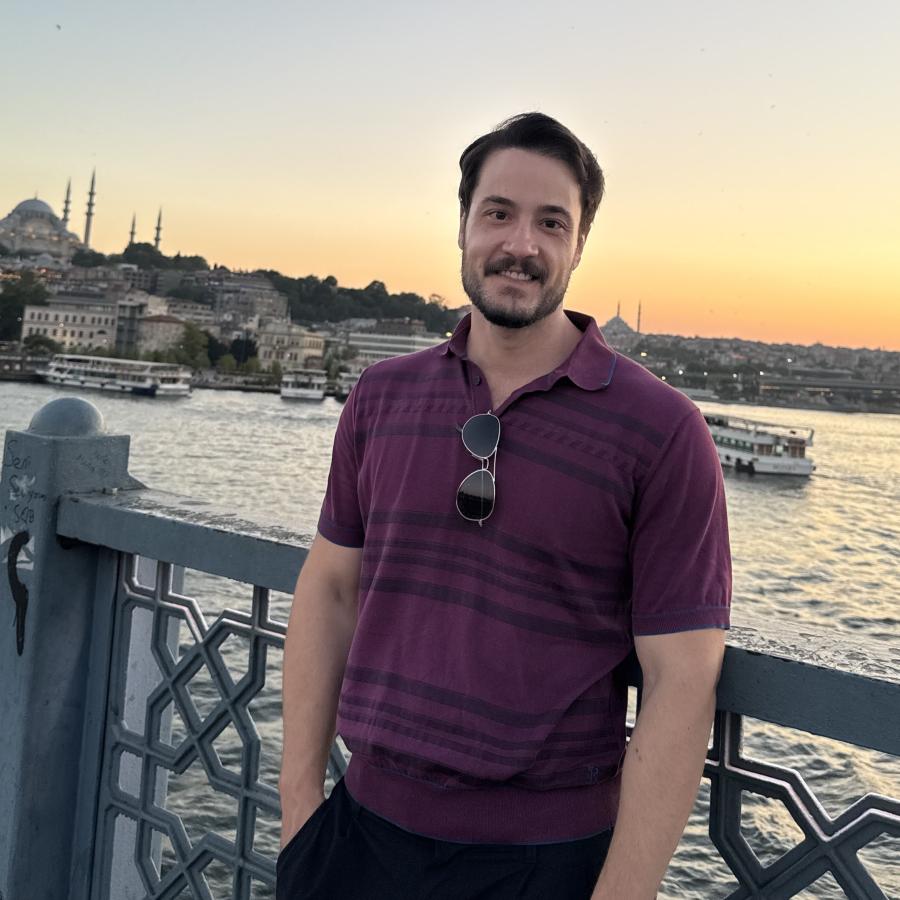
Marco Minozzo Gabriel
Why ECA?
I chose to study at the ECA because it offered the oldest and most highly regarded course in Architectural Conservation in the UK. Beyond its academic reputation, what attracted me most was the strong connection between the course and the city of Edinburgh. With its rich historical fabric and complex urban layers, Edinburgh struck me as the ideal place to learn and deepen my knowledge of built heritage.
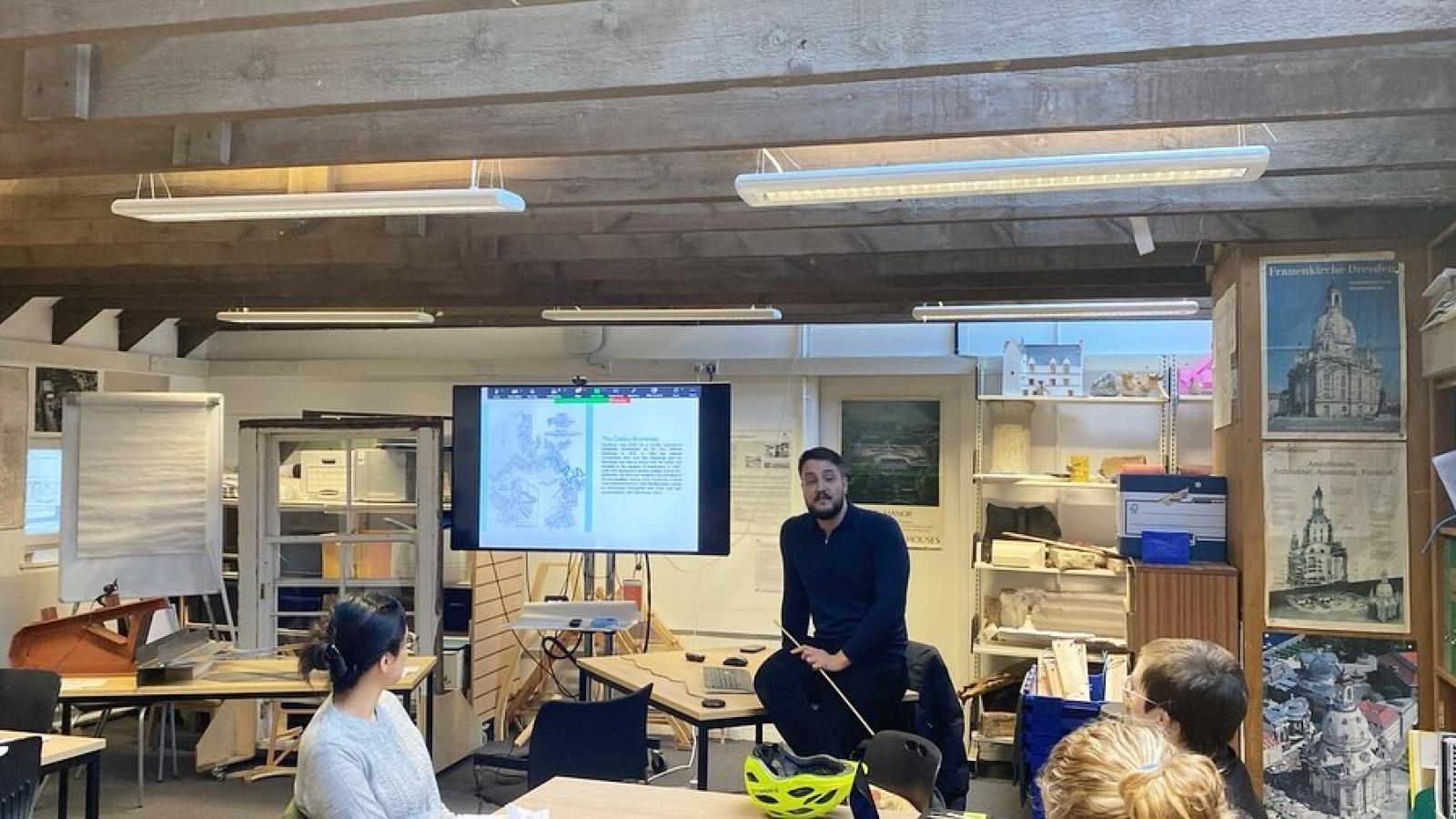
Marco Minozzo Gabriel delivering a masterclass for the Architectural Conservation programme at ECA in 2024
Marco Minozzo Gabriel delivering a masterclass for the Architectural Conservation programme at ECA in 2024
"My time at ECA was an intensive and formative experience that shaped both my academic thinking and professional outlook."
Marco Minozzo Gabriel
2016 Architectural Conservation - MSc
Tell us about your time at ECA
My time at ECA was an intensive and formative experience that shaped both my academic thinking and professional outlook. The programme was highly hands-on, with Edinburgh, Scotland, and Northern England serving as key study areas through weekly site visits and fieldwork. Working directly with the historic buildings and ensembles we were studying - and often living around - made the learning experience especially meaningful. Coursework involved a wide range of practical and analytical tasks, including building surveys, structural modelling, and conservation assessments.
The international nature of the cohort was another defining aspect of my experience. Collaborating with colleagues from diverse cultural and professional backgrounds broadened my perspective and fostered the exchange of different approaches to heritage. Many projects also let us engage with case studies connected to our home countries, adding a valuable global dimension to the programme.
Overall, the course offered a well-balanced introduction to both academic research and professional practice, allowing me to pursue either path. In hindsight, if I could start again, I would have sought an internship with one of Edinburgh’s heritage institutions; however, this was not possible at the time due to the conditions of my scholarship.
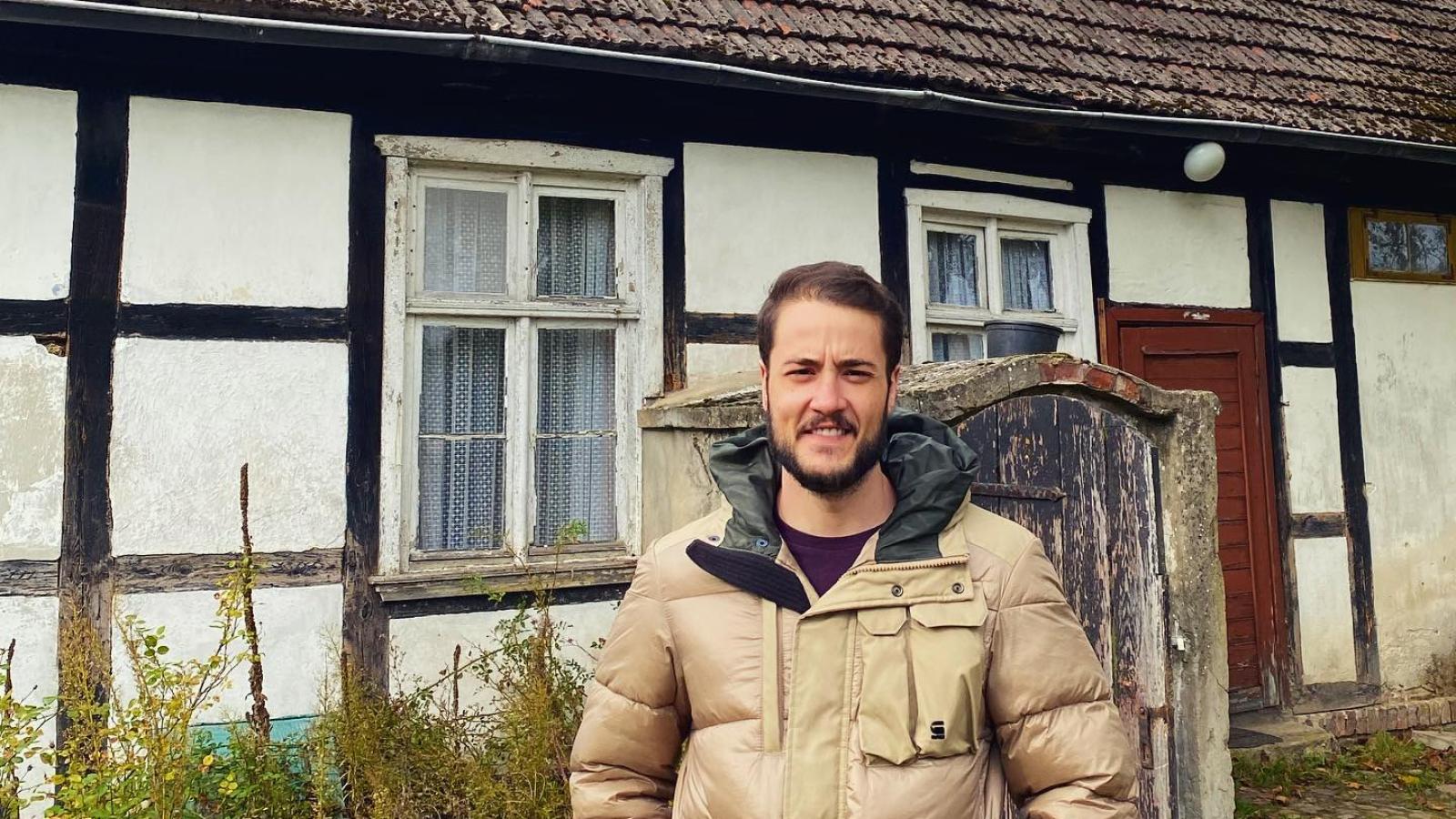
Marco Minozzo Gabriel on field research in Northern Poland during his PhD
Marco Minozzo Gabriel on field research in Northern Poland during his PhD
"The course offered a well-balanced introduction to both academic research and professional practice, allowing me to pursue either path."
Marco Minozzo Gabriel
2016 Architectural Conservation - MSc
Tell us about your experiences since graduating
Since graduating, I have pursued both an institutional and an academic career, combining periods of professional practice with doctoral research. After returning to Brazil, my first objective was to establish an institutional career path. In 2017, I joined the Federal Heritage Department (IPHAN), where I managed two of the country’s largest heritage ensembles. During this period, I also represented Brazil at several UNESCO events, including the World Heritage Young Professionals Forum in Bahrain in 2018 and the Youth Forum in China in 2019.
The international character of the ECA program played a key role in enabling these experiences, giving me the confidence and professional profile to engage with global audiences. This same international outlook led to my receiving a scholarship to pursue a PhD in Conservation of the Built Heritage at the Politecnico di Milano, where I graduated cum laude in 2023 with a thesis on the heritage of Pomeranian immigrants in Southern Brazil. For three years, I worked as a researcher in urban heritage at both the Politecnico di Milano and IUAV University of Venice. In 2024, I gave a masterclass at the University of Edinburgh at the Architectural Conservation programme. More recently, I joined World Monuments Fund as a Coordinator at the newly established Suzanne Deal Booth Institute, where I support conservation projects worldwide.

Marco Minozzo Gabriel working as a heritage manager at IPHAN
Marco Minozzo Gabriel working as a heritage manager at IPHAN
"Beyond its academic reputation, what attracted me most was the strong connection between the course and the city of Edinburgh."
Marco Minozzo Gabriel
2016 Architectural Conservation - MSc
Alumni wisdom
To those entering first year: make the most of the hands‑on nature of the programme and fully engage with the city and its historic environment - your surroundings are one of the most valuable learning tools at ECA. Embrace collaboration and learn from your peers' diverse perspectives.
To those graduating: allow your path to develop over time. The skills, critical thinking, and international outlook you gain at ECA will support you in many directions - trust that foundation and remain open to opportunities beyond a single, predefined route.