

Ananya Nayak

Ananya Nayak
Why ECA?
I chose to study at ECA because the programme felt both rigorous and grounded in the realities of practice. The course was thoughtfully structured, balancing research-driven inquiry with tangible and real-world skills, which aligned closely with how I wanted to grow as an architect. It wasn’t positioned as theory alone, but as a way of thinking that could be tested, challenged, and applied.
What stood out was the strength of the teaching body. The tutors brought with them active engagement in research and the built environment, with a clear and consistent emphasis on sustainability. That made the learning experience feel current, urgent, and deeply relevant.
Equally important was the student culture. ECA’s vibrant community and long-standing student union create an environment where students are not just participants, but contributors to how the institution evolves.
And then there is Edinburgh itself. As a city, it offers a rare overlap of layered heritage and contemporary architectural experimentation. Studying there meant constantly moving between histories and futures, an experience that continues to shape how I approach design.
Tell us about your time at ECA
The one-year master’s at ECA was intense, but in the best way. Across three semesters, the work moved between research, writing, and design studios, each informing the other. Studio projects ranged from site-specific proposals rooted in Edinburgh to explorations set in entirely different global contexts. That shift in scale and location meant constantly recalibrating how sustainability is understood, across climates, materials, and cultural practices.
The cohort itself shaped much of the experience. Coming from varied academic and professional backgrounds, group projects became less about dividing tasks and more about synthesising different ways of thinking. That dynamic pushed the work further than it would have otherwise gone.
A key part of my time at ECA was the building simulation elective, which offered direct engagement with industry professionals while developing technical skills in performance analysis. Site visits, like those to operational wind farms, grounded these tools in real-world systems, making the learning both applied and tangible.
Beyond the classroom, I became involved in sustainability-focused community initiatives across Edinburgh, which opened up a network of practitioners and local organisations. Through these connections, I later collaborated with the School of Engineering on a research project with the City of Edinburgh Council, contributing to on-site environmental monitoring. The rigour of ECA’s research training made it possible to take that work through to completion with confidence.
My dissertation brought these strands together. It allowed me to investigate a context I care deeply about, supported by tutors whose feedback was both precise and generous. That process sharpened not just the project itself, but how I approach design and sustainability. If I were to begin again, I would spend more time documenting my time at the university as a slice of life beyond the course.
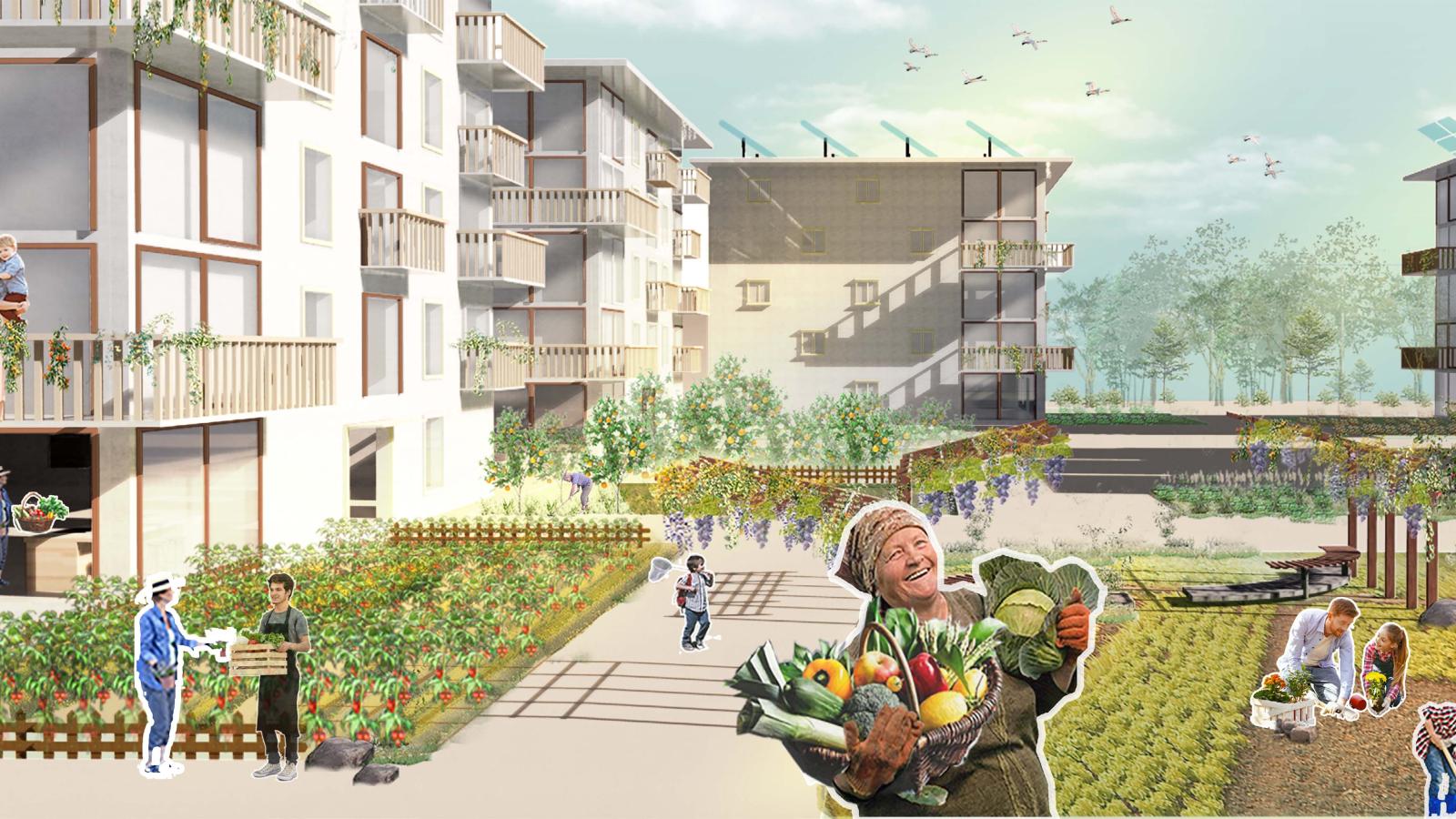
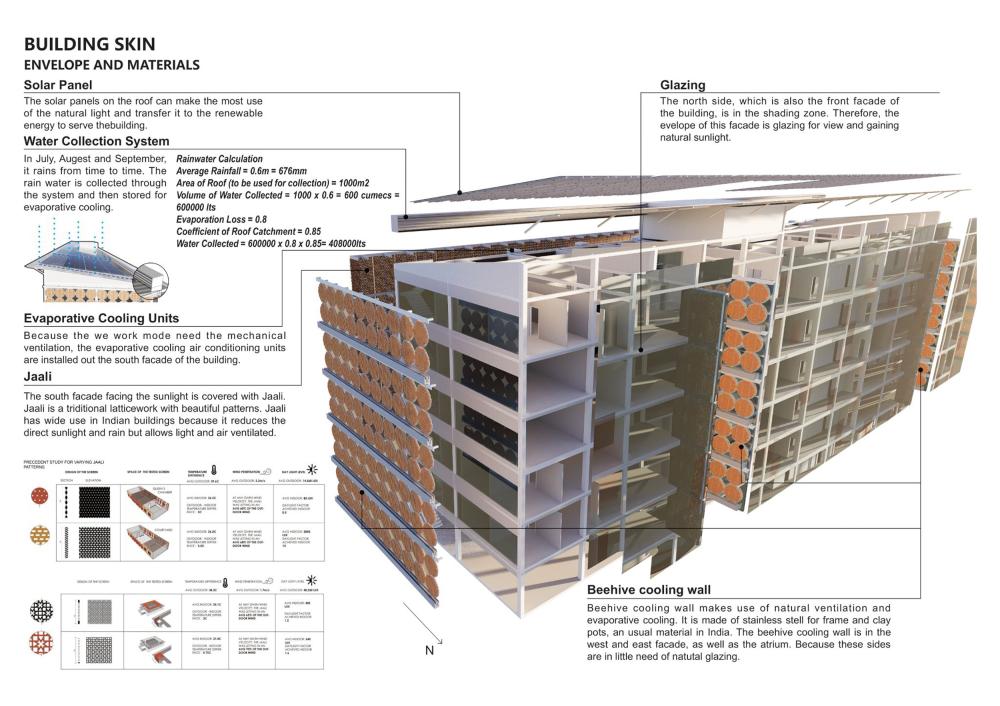
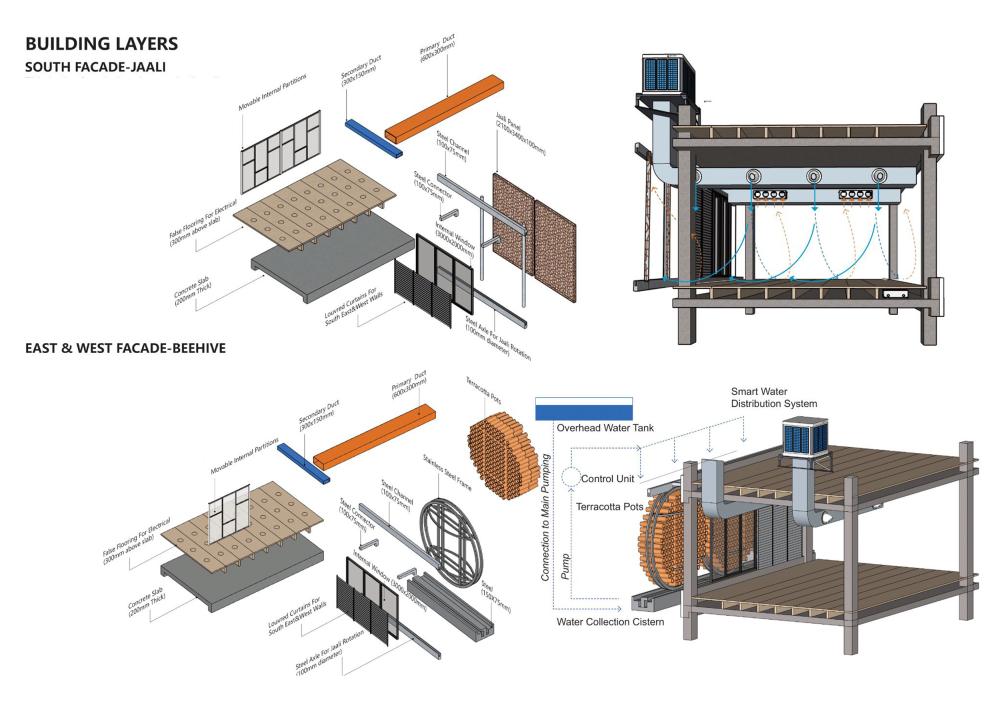
Infrastructure System - Utopian Image by Ananya Nayak
Infrastructure System - Utopian Image by Ananya Nayak
"What stood out was the strength of the teaching body. The tutors brought with them active engagement in research and the built environment, with a clear and consistent emphasis on sustainability."
Ananya Nayak
2023 Advanced Sustainable Design - MSc
Tell us about your experiences since graduating
Leaving ECA felt like stepping out of an intense, protected space of inquiry into a far more immediate testing ground. I knew I wanted to work at the intersection of design and performance, and that direction began to take shape through the building simulation work I pursued during the programme.
After graduating, I joined Max Fordham LLP as a Building Performance Consultant, where I worked on domestic overheating analysis, early-stage compliance modelling, and post-occupancy evaluation across projects in the UK and Europe. In parallel, I stayed engaged in research as a Research Assistant with the University of Edinburgh’s School of Engineering, contributing to the Edinburgh Home Demonstrator project with the Edinburgh City Council, focusing on in-situ thermal performance and monitoring.
Alongside practice, I became part of the 2050 Climate Group, which expanded my understanding of sustainability beyond buildings into larger systems, policy, and collective action.
ECA played a direct role in enabling this trajectory. Its emphasis on building simulation, research rigour, and sustainability frameworks meant I could move into practice with both technical confidence and a critical lens. Just as importantly, it trained me to move fluidly between analytical tools and design thinking.
Since then, my work has expanded in two directions. I’ve founded my own practice in India, Twenty Seven Degrees Archtech, working across multiple cities, where I’m beginning to translate my experience in the UK’s sustainability-led design environment into a very different context. Alongside this, I contribute as an editorial writer with international digital publication - ArchDaily, publishing weekly on design, sustainability, and architectural discourse.
If there is a defining achievement, it is this ability to operate across practice, research, and writing, building a body of work that is both applied and reflective, and that continues to evolve across geographies.
Work by Ananya Nayak
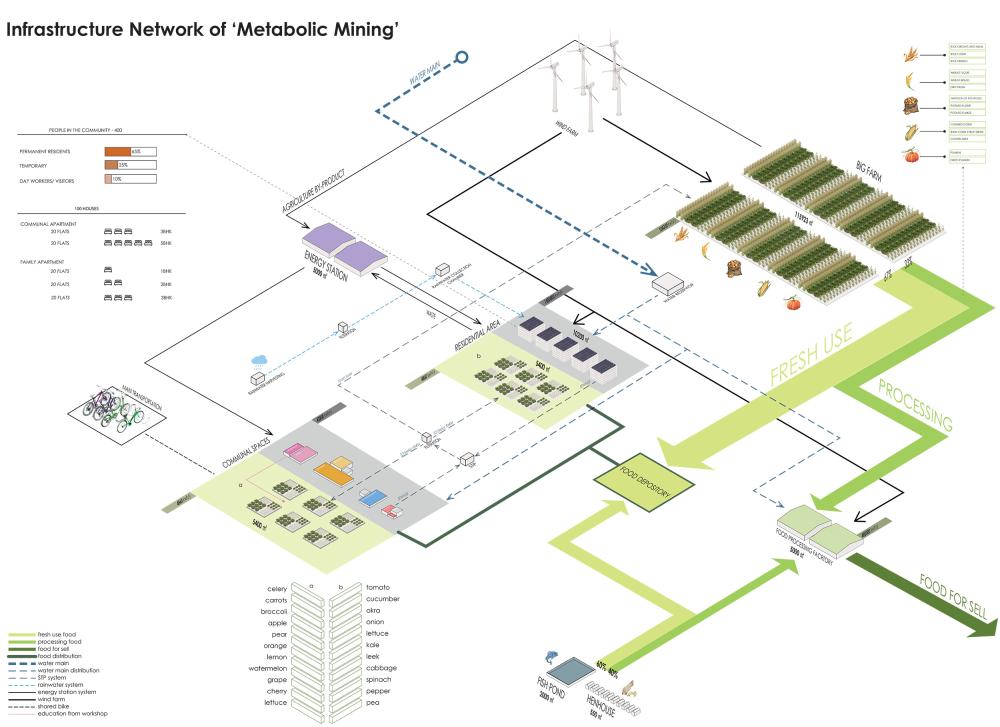
Infrastructure System
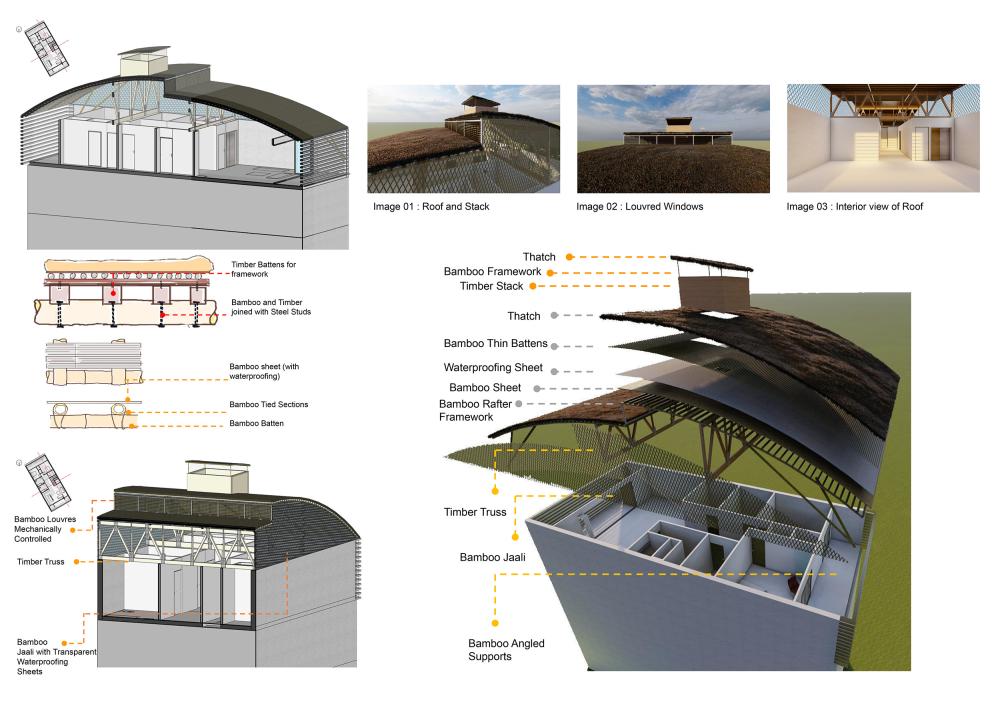
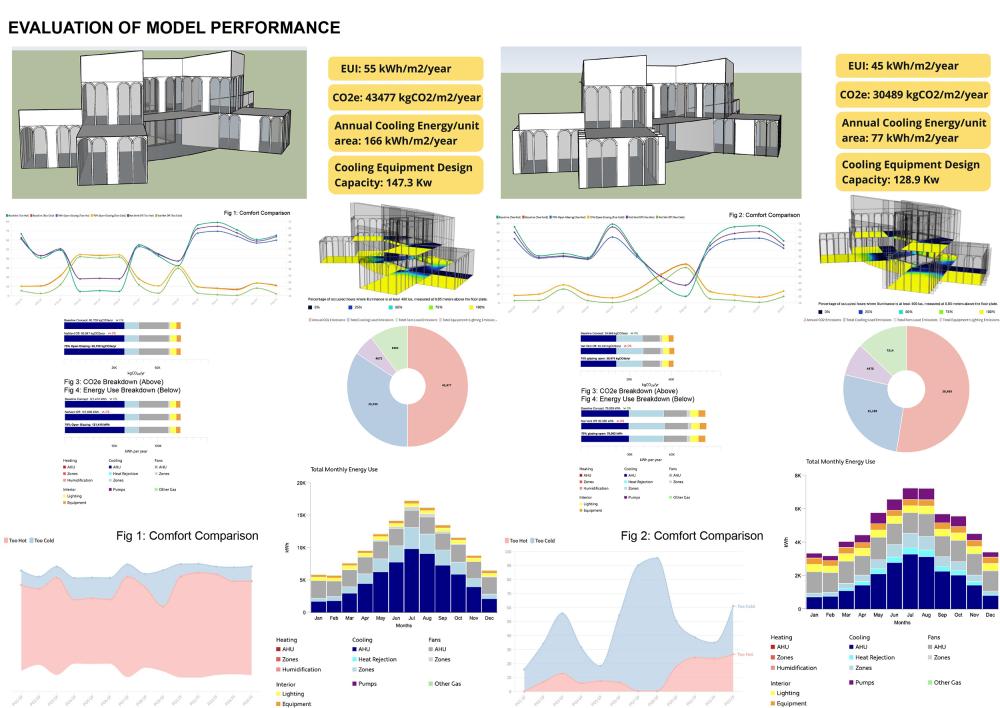


"ECA’s vibrant community and long-standing student union create an environment where students are not just participants, but contributors to how the institution evolves."
Ananya Nayak
2023 Advanced Sustainable Design - MSc
Alumni wisdom
Make the most of ECA by leaning into its people. Engage closely with tutors, collaborate across programmes, and seek out groups working in areas that interest you, those connections will shape your trajectory as much as the coursework. Treat every assignment as a piece of your future portfolio; the work you produce here can carry forward into practice, so invest in it fully.
To those graduating: hold on to the networks you’ve built. Edinburgh has a way of staying with you. In a profession that can feel uncertain, those relationships become both grounding and generative, take them with you into what comes next.
